
Radon testing & mitigation · Loveland, Colorado
Radon mitigation in Loveland, Colorado
You can't see radon or smell it, and the ground under Larimer County has plenty of it. For radon testing or radon mitigation in Loveland, tell us what you need and we'll connect you with a Colorado-licensed local radon professional.
01 · Radon levels
What your radon test result means
Radon is measured in picocuries per liter of air (pCi/L). The EPA recommends fixing a home at 4 pCi/L or higher, and Larimer County's average is 7.8 pCi/L, nearly double that line.
- UNDER 2 pCi/L
- Below the range the EPA flags. Keep the result on file: Colorado sellers and landlords must disclose known radon tests.
- 2 TO 4 pCi/L
- The EPA suggests considering action. Worth a conversation with a licensed radon mitigation professional.
- 4 pCi/L OR HIGHER
- The EPA recommends fixing the home with a radon mitigation system. This is where the Larimer County average falls.
EPA guidance as published by the Larimer County Department of Health and Environment. General information, not medical advice.
02 · How it works
How radon gets into Loveland homes, and how mitigation gets it out
Radon is an invisible, odorless radioactive gas that rises from the soil. It's the second leading cause of lung cancer in the U.S. and the leading cause among people who have never smoked, contributing to about 500 lung cancer deaths a year in Colorado.
- 1It rises from the soil beneath every home, new or old.
- 2It slips through cracks in the slab, sump pits, crawl spaces and gaps around pipes, then builds up indoors, most of all in basements and lower floors.
- 3A suction point under the slab collects it before it gets in.
- 4An inline fan keeps air moving up the pipe.
- 5It vents above the roofline. Retest every two years to confirm the system is working.
This approach is called sub-slab or active soil depressurization, and it's what most people mean by radon mitigation in Loveland and elsewhere. Homes with a crawl space usually get a sealed liner with the suction point beneath it, and many homes have a mix of basement, slab and crawl space, so every system is designed for the house in front of it.
In Colorado, that design and installation must be done by a licensed radon mitigation professional. A system already in place has to be disclosed when you sell or rent the home, so keep its paperwork and your test results.
Haven't tested yet? Start there: radon testing in Loveland tells you whether you need a system at all.
03 · What brings you here?
Radon services in Loveland, CO
Pick the closest match. Every request goes to an independent professional licensed by the State of Colorado for that work.
04 · The rules
Colorado radon laws: licensing and disclosure
Colorado licenses radon professionals and requires radon disclosure in home sales and rentals. Three dates every Loveland homeowner, buyer and landlord should know. General information, not legal advice.
- JUL 1, 2022
Radon work requires a state license
Anyone testing or mitigating radon in Colorado must hold a radon measurement or radon mitigation professional license.
How to verify a radon license → - AUG 7, 2023
Sellers and landlords must disclose
Home sale contracts carry a radon warning. Sellers and landlords share known radon tests, levels and any mitigation system.
Radon and home sales in Loveland → - JAN 1, 2026
Tenant remedy narrowed
The right to void a lease over radon no longer applies to leases of one year or less. Longer leases keep the 180-day window.
Colorado landlord radon rules →
05 · Timing
The best time to test for radon in Loveland is winter
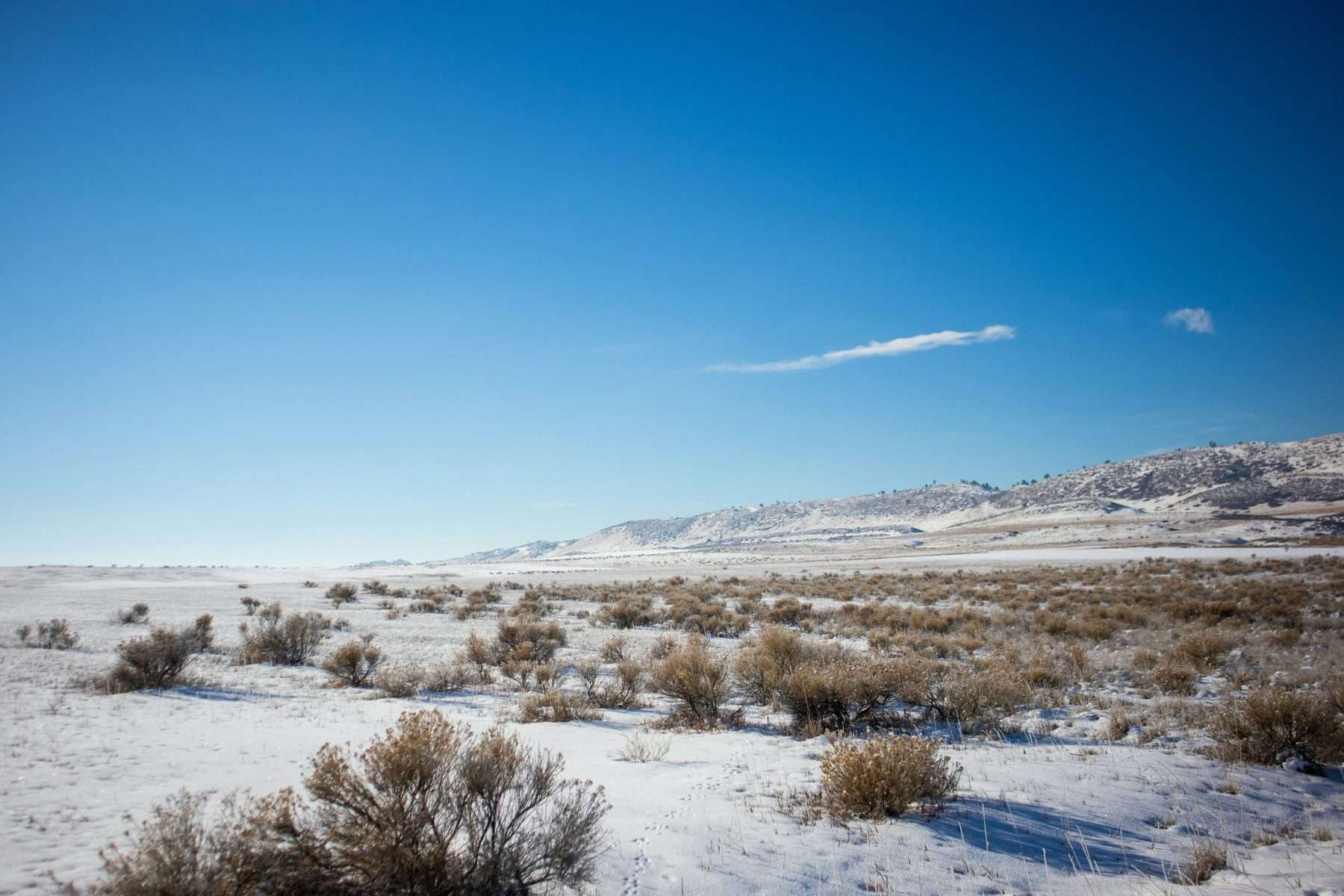
Radon tends to peak in winter, when windows and doors stay closed, so a winter test gives the most useful reading. Test the lowest lived-in level of your home.
January is Radon Action Month. In past years Larimer County and CSU Extension have offered free short-term test kits, including pickup at the county's Loveland office, 200 Peridot Avenue. Check the county's radon page for this year's availability.
06 · Cost
How much radon mitigation costs in Loveland
Larimer County puts typical radon mitigation at about $1,000 to $3,000. Costs vary by property; a licensed pro quotes after seeing your home.
Eligible Colorado homeowners may qualify for CDPHE's Low Income Radon Mitigation Assistance program. Check current eligibility with the state before you get quotes.
Read the full radon mitigation cost guide →Typical range · Larimer County Department of Health and Environment
- aFoundation type: basement, slab, crawl space or a mix
- bHow many slabs need a suction point
- cSealing cracks and sumps; a crawl space liner
- dInterior or exterior pipe route, fan location and electrical
07 · Who you'll reach
Licensed radon pros serving Loveland and nearby towns
We connect you with independent radon professionals licensed by the State of Colorado. They test, quote and do the work, and you deal with them directly.
Colorado has required a license for radon testing and mitigation since 2022. You can check any professional's license yourself in DORA's public license lookup, and we encourage you to before you hire. How to verify a radon license.
Areas served
- Loveland, CO
- Berthoud
- Johnstown
- Windsor
- Fort Collins
Also nearby Campion and the rest of southern Larimer County.
Are you a radon company?
No. Loveland Radon Pros is a connection service. We don't test, inspect or install anything. We connect you with independent professionals who hold Colorado radon licenses, and they quote and do the work.
Is radon really a problem in Loveland?
Larimer County's average indoor radon level is 7.8 pCi/L, nearly double the EPA's 4.0 action level and six times the national average of 1.3. Levels vary from home to home, so testing is the only way to know yours.
How do I know a radon contractor is licensed?
Since July 1, 2022, Colorado has required a state license for radon testing and radon mitigation. The Colorado Department of Regulatory Agencies (DORA) keeps a public license lookup. Search the company or person's name before you hire.
Do new homes have radon?
They can. Radon comes from the soil under a house, not from its age, so new and older homes alike should be tested.
09 · Get connected
Get connected with a licensed radon pro in Loveland
Send a request and a Colorado-licensed radon professional serving Loveland follows up. Prefer to talk? Call (970) 716-6881.